







By Peter Agi
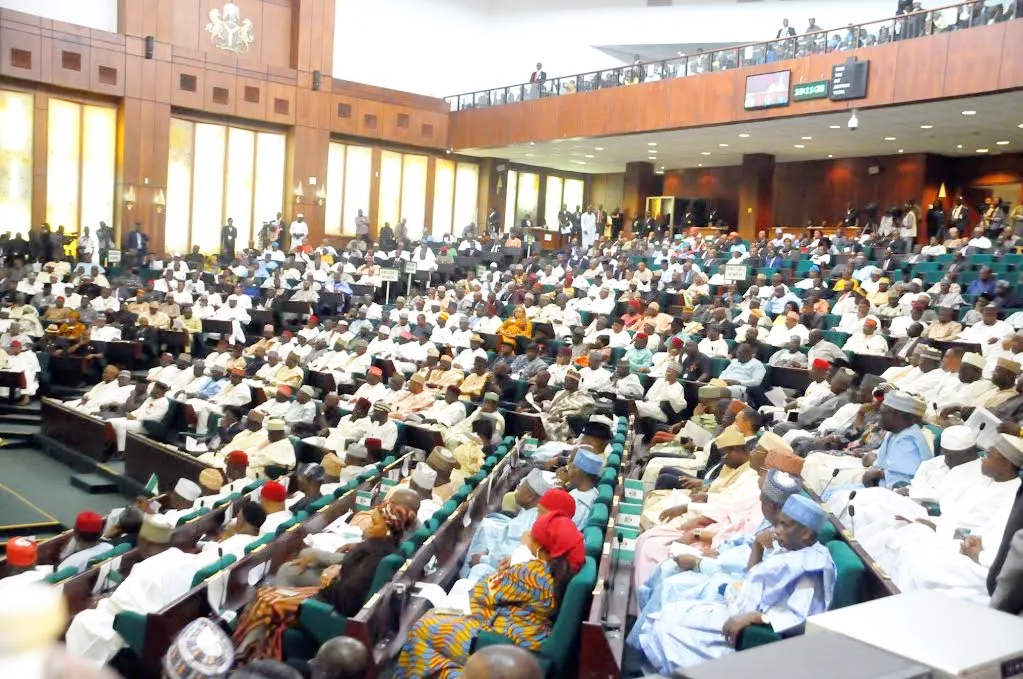
There is a contradiction in Abuja that cannot be explained away with press statements. The same National Assembly that publicly laments poor funding of its committees, constituency projects, and oversight duties is the same National Assembly that has not said no to any major bill or loan request from the President since May 2023. The Supplementary Budget passed. The 2024 Budget passed. Every external borrowing plan, Eurobond, and domestic debt request passed. The student loan law passed. The electricity law passed. The CBN Act amendment passed. The emergency economic laws passed. Yet ranking members grant interviews to say they cannot fuel their vehicles for oversight, committee clerks say files are stuck because there is no paper, and first-term members complain that “capital releases” for constituency interventions are a myth. The two facts cannot be true without a third fact hiding between them.
Does this mean the leadership of both chambers has been compromised? Compromise is a strong word. It suggests a transaction. The more accurate word is capture, and capture has many forms. The Nigerian constitution gives the President control of the national purse. He signs the budget, but he also releases the cash through the Ministry of Finance and the Accountant-General. The National Assembly approves the budget on paper, yet depends on the Executive to fund its own operations line by line. That is the original sin of separation of powers in Nigeria. A legislature that must beg the Executive to switch on its lights cannot threaten that same Executive with real oversight. So the leadership of the Senate and the House faces a daily choice. Confront the President and risk seeing zero releases for running costs, staff salaries, and even air tickets for committee work. Or cooperate and keep the institution breathing. Most humans, given that choice, will choose oxygen.
That is not an excuse. It is a diagnosis. When you trace the pattern, you see that “passage” and “funding” have been decoupled. The Executive brings a loan request. The leadership marshals the numbers and the bill passes, often with speed that would impress a military decree. The understanding, spoken or unspoken, is that institutional peace will be rewarded with institutional funding. Members who are not in the inner caucus then complain because the rewards do not trickle down. They see bills passing but do not see alerts for their committees or projects. The anger is real, but it is misdirected. The problem is not that the President is too powerful. The problem is that the legislature designed itself to be financially dependent.
Where does that leave the fate of the nation? In a dangerous place, and we should not decorate it. A National Assembly that cannot say no to loans cannot say no to debt distress. Nigeria’s public debt crossed N97 trillion by December 2023. Debt service consumed 98% of revenue in Q1 2024. Each new loan the Assembly approves without rigorous, public, and adversarial scrutiny pushes the country closer to the day when we borrow to pay salaries and nothing else. A National Assembly that cannot fund oversight cannot stop oil theft, cannot audit MDAs, cannot make INEC independent, and cannot protect the judiciary’s budget. It becomes a notary public. It stamps, it does not check. And when the rubber stamp is broke, it borrows ink from the man who brought the document.
There are three honest layers to this crisis. First, constitutional layer. Section 80 to 89 of the Constitution gives the National Assembly power over public funds, but Section 81 makes the President the one who “causes to be prepared and laid” the estimates. In practice, he who lays also delays. Until the National Assembly’s budget is on first-line charge and released automatically like the Judiciary’s, the power of the purse is a slogan. Second, political layer. The leadership of both chambers emerged through Executive support. When you owe your gavel to the Villa, you do not use that gavel to block the Villa. That is not compromise in the criminal sense. That is political realism in a system where independence is not funded. Third, ethical layer. Members complain in whispers but vote yes in plenary. If you are truly underfunded and angry, the vote is your only weapon. The fact that the vote is never used tells you that access is not equal. Some are funded. Some are not. Some are in the room. Some are outside. The institution is not broke. The equity is broke.
So has the leadership been compromised? If compromise means “taking instruction,” then yes, the structure compels it. If it means “taking bribes,” there is no evidence in this pattern alone. The deeper compromise is institutional, not personal. We have built a legislature that can only bark if it is fed, and the food is in the Executive’s hand.
What then is the fate of the nation under this arrangement? Short term, bills will keep passing, loans will keep coming, and the debt clock will keep running. Medium term, the absence of scrutiny will produce scandals that the same underfunded committees will be too weak to investigate. Long term, the public will stop distinguishing between the Executive and the Legislature. When that happens, elections become meaningless because the check on power is gone. You cannot have democracy with one branch and a half.
The way out is unglamorous and technical. First, financial autonomy for the National Assembly must move from speech to law and from law to practice. The budget of NASS should be a percentage of federal revenue, released monthly by the Accountant-General without recourse to the Presidency, subject only to post-audit by the Auditor-General. Second, the leadership selection process must be insulated from Executive endorsement. If the President picks the Senate President, do not act surprised when the Senate President does not pick a fight. Third, members must use the one power that cannot be defunded: the vote. If oversight is impossible because there is no money, then stop approving new money until the old money is accounted for. That is called leverage. It is the only currency the Executive respects.
Until those three things happen, Nigerians should expect more of the same. The President will propose. The leadership will dispose. The members will complain. The debt will rise. And the nation will be told that everything passed “in the national interest.” A National Assembly that cannot fund itself cannot defend you. A National Assembly that never says no cannot protect you from yes. That is the honest, dispassionate truth. The fate of the nation lies not in the next loan, but in whether 469 men and women decide that their independence is worth more than their allowance. For now, the evidence says they have not decided.
Agi, FCA, writes from Ijegu-Ojor, Yala LGA, CRS